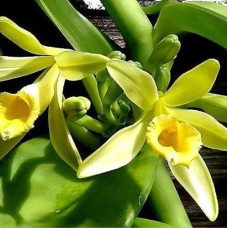
Vanilla

Vanilla is a highly sought-after flavoring derived from the beans of the vanilla orchid plant. Indonesia is one of the largest producers of vanilla in the world, known for its high-quality vanilla beans. Here's an overview of vanilla production in Indonesia and its quality:
1. Varieties: Indonesia primarily cultivates two main varieties of vanilla: Vanilla planifolia (also known as Bourbon vanilla) and Vanilla tahitensis. Bourbon vanilla is the most common and widely used variety globally.
2. Growing Regions: The main vanilla-producing regions in Indonesia are the islands of Java, Bali, Sumatra, and Sulawesi. Each region has its own unique climate and soil conditions, which can influence the flavor profile of the vanilla beans.
3. Cultivation: Vanilla orchids require a tropical climate with high humidity and consistent temperatures. The plants are typically grown on trellises or support structures to allow the vines to climb. The flowers are hand-pollinated, and the beans take several months to develop and mature.
4. Harvesting: Vanilla beans are harvested when they reach full maturity, which is indicated by their plumpness and yellowing color. The beans are carefully hand-picked to ensure quality and are then subjected to a curing process to enhance their flavor and aroma.
5. Curing Process: The curing process involves a series of steps, including blanching, sweating, drying, and conditioning. This process helps develop the characteristic vanilla flavor and aroma while reducing moisture content. The beans are typically sun-dried during this stage.
6. Quality: Indonesian vanilla beans are known for their high quality and distinct flavor profile. The beans are often described as having a rich, sweet, and creamy taste with floral and fruity undertones. The quality of vanilla beans is determined by factors such as size, moisture content, oil content, and vanillin content.
7. Grades: Vanilla beans are graded based on their size, appearance, and moisture content. The highest grade is typically referred to as "Gourmet" or "Grade A" beans, which are large, plump, and moist. Lower grades, such as "Extract" or "Grade B" beans, are smaller and drier but still suitable for vanilla extract production.
8. Sustainability: Indonesia has been working towards sustainable vanilla production by promoting fair trade practices, supporting small-scale farmers, and implementing regulations to prevent deforestation and encourage responsible farming practices.
In summary, Indonesia is renowned for its high-quality vanilla production. The country's favorable climate, diverse growing regions, and careful curing process contribute to the unique flavor and aroma of Indonesian vanilla beans.